Most mosquito services spray the vegetation and leave. The larvae breeding in your gutters, your low-lying lawn, your ornamental pond, and your neighbor's property keep producing new adults on a 7-14 day cycle. Show Me Pest Control addresses the source in Ames, not just the adults.
Standing water -- gutters, containers, low-lying depressions
Subsurface in standing water -- feeding, developing
Pre-adult stage -- still in standing water, not yet flying
The mosquitoes you see and feel -- only 5% of the problem
Barrier spray handles the adult population. Larval source reduction handles the breeding population. Both are addressed on every visit.
Our property walk identifies every larval source -- including the ones that do not look like water sources. A bag of dirt, a tarp fold, the saucer under a plant pot, a low gutter -- any water that stands for a week produces mosquitoes. We document each source and address them all.
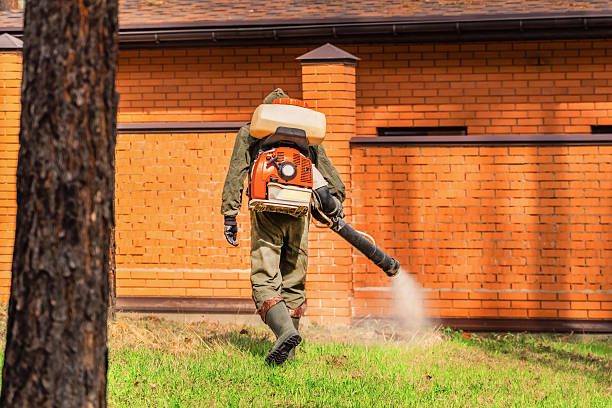
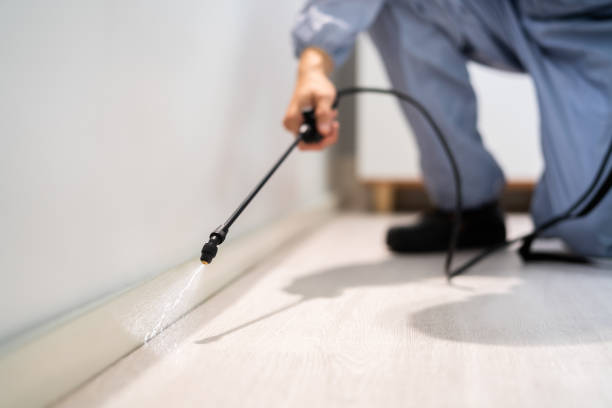
Professional adulticide applied to mosquito resting vegetation gives you 3 to 4 weeks of adult knockdown per treatment. We target the actual resting locations -- shaded vegetation within 2 feet of the ground, underbrush edges, deck and pergola undersides, and fence lines adjacent to neighbor vegetation.
Larvicide Application to Untreatable Standing Water -- Not every standing water source can be eliminated. Ornamental ponds, permanent drainage features, and irrigation catch basins that cannot be drained receive EPA-registered larvicide application -- Bacillus thuringiensis israelensis or surface film products that kill larvae before they reach the adult stage without harming fish, birds, or beneficial insects.
Monthly programs work because the adult knockdown from each treatment overlaps with the setup for the next application. We calendar your visits to maintain below-threshold adult pressure throughout the season, adjusting frequency based on rainfall, larval source load, and your outdoor activity schedule.
The mosquito lifecycle is the central issue in any mosquito control program. Eggs are deposited in standing water -- not ponds necessarily, but any water that persists for 7 or more days. A bottle cap, a container lid, the crease of a tarp, the depression where a lawn settles low -- all of these are viable breeding sites. Larvae develop in the water column over 7 to 14 days and emerge as adults. The adults you contact are the ones resting in your vegetation. But the adults you contact today were larvae in standing water on your property or a neighboring property two weeks ago. Until those water sources are addressed, the larval pipeline continues producing new adults regardless of what is sprayed on the vegetation.
Barrier sprays are effective for the population of adults currently present in the vegetation at the time of treatment and for the adults that emerge and contact treated surfaces during the residual period. What they do not address -- and cannot address -- is the larval population actively developing in standing water on and around the property during that same window. Larvae in standing water are completely protected from surface adulticide applied to vegetation. They emerge as adults when their development is complete and populate the vegetation. If no larvicide program is in place, the larval pipeline is continuously producing new adults on a two-week cycle throughout the season.
Mosquito spray wore off in less than two weeks in Ames? Call +1-866-315-0243. We identify the larval sources your previous service missed and treat both halves of the problem.
The larval sources that most homeowners never address are not the obvious ones. Most people eliminate the bird bath and the kiddie pool when they learn about mosquito breeding. The sources they miss are less visible: the gutter that drains slowly and holds a half-inch of water for a week after every rain; the depression along the fence line where water pools after irrigation; the plastic bag at the base of a plant that accumulates condensation; the container lid stored in the landscape bed. During our property walk, we find these sources systematically -- every one. For sources that cannot be drained, we apply Bti-based larvicide. For sources that can be eliminated, we document and explain them. The combination of barrier spray for the adults and larvicide plus source elimination for the larvae is the protocol that produces lasting pressure reduction rather than a two-week reprieve.
West Nile virus is endemic to Ames, TX and is transmitted by Culex species mosquitoes that are present across the region. Most infections are mild or asymptomatic, but a small percentage produce neurological complications that are serious. The practical recommendation is the same regardless of individual risk assessment: reduce mosquito populations around residential areas to the lowest sustainable level throughout the active season. A recurring program that addresses both adults and larvae accomplishes this. A single event spray does not -- the larval pipeline replenishes the adult population within two weeks of a single barrier treatment.
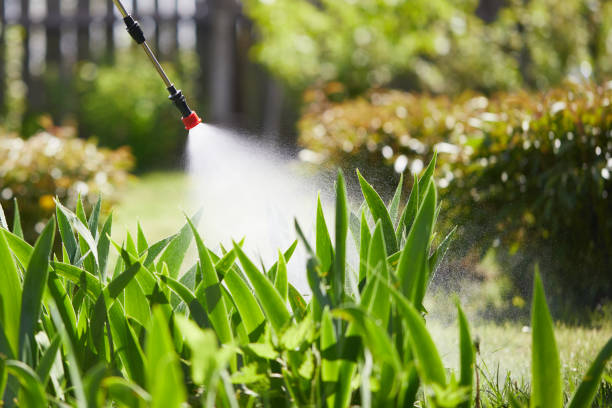
We locate your larval sources, assess adult resting zones, and explain both halves of the treatment plan before starting.
Call +1-866-315-0243Six services covering adult knockdown, larval source treatment, and recurring seasonal programs.
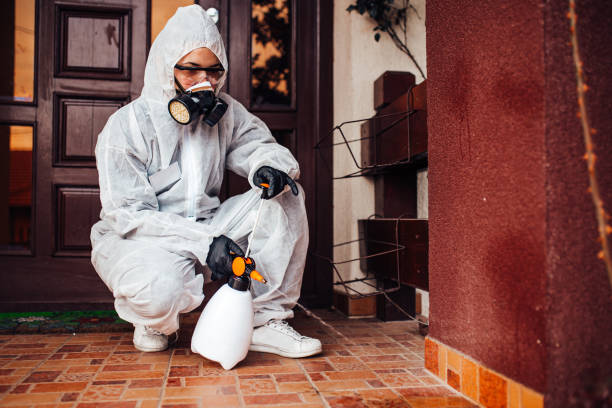
We find the sources before we spray -- because treating the adults without addressing the larvae produces a two-week result instead of a sustained one.
Professional residual adulticide applied to low vegetation, underbrush, fence lines, deck soffits, and ground cover -- the zones where adult mosquitoes rest during daylight hours. 21 to 30 day residual under typical seasonal conditions.
Biological larvicide is species-specific to mosquitoes and related flies. It is registered for use near fish and wildlife and does not harm aquatic ecosystems.
We calendar your visits around your peak outdoor use period and adjust frequency based on rainfall and larval source load changes.
Single-visit barrier treatment applied 24 to 48 hours before an outdoor event. Knocks down adult mosquitoes in the vegetation and provides residual coverage for the duration of the event and several days beyond.
For properties in areas of Ames, TX with deer tick or lone star tick pressure -- tick and mosquito combined programs provide efficient coverage for both pests.
Property mapped, both halves treated, schedule set -- in order.
Every standing water source identified and documented. Adult resting vegetation zones assessed. Larvicide applications and source eliminations planned before treatment begins.
Professional residual adulticide applied to low vegetation, underbrush, fence lines, and deck soffits. Current adult population knocked down, 21 to 30 day residual provides coverage through the treatment window.
Larvicide applied, source elimination guidance provided, larval pipeline addressed in the same visit as the barrier spray.
Follow-up timing is set to maintain residual coverage. You receive advance notice before each visit and can adjust as needed.
Real results when both adults and larvae are addressed in the same visit.
Three summers of unusable backyard. Two previous spray companies. Show Me Pest Control found the larval sources the other companies never looked for -- 7 of them -- and treated every one. Monthly program, outdoor time restored.
Outdoor graduation party in June. Called Show Me Pest Control a few days out. Event prep treatment applied 48 hours ahead. Zero mosquito complaints from 60 guests at an evening party. We had no idea what a difference it would make. Monthly program started the following week.
Previous company refused to touch the pond. Show Me Pest Control applied biological larvicide to it -- fish are fine, frogs are fine -- and treated the rest of the yard. Explained how to maintain the pond treatment between visits. The mosquito situation changed completely.
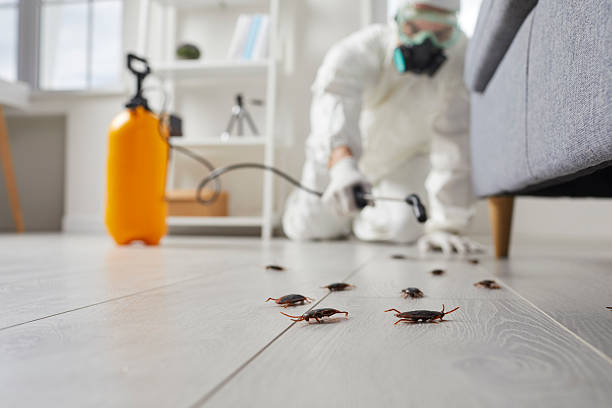
Property walk, larval source identification, barrier spray, and larvicide -- all on the first visit. Call Show Me Pest Control in Ames today.
Call +1-866-315-0243